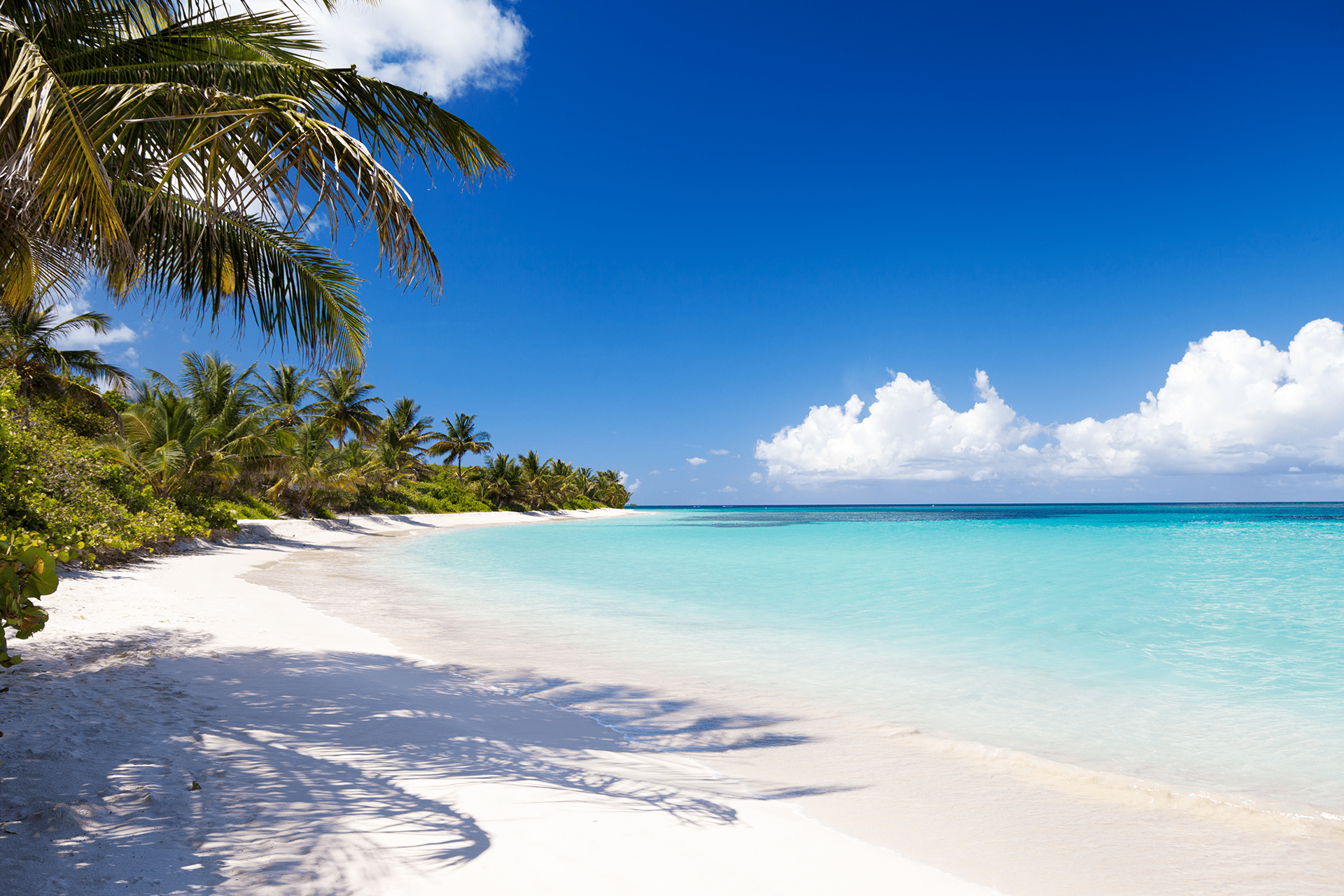
Cayo Icacos is one of Puerto Rico’s most beautiful offshore cays—known for clear turquoise water, sandy shallows, and easy snorkeling from boat tours departing near Fajardo. Because Icacos is uninhabited and undeveloped, your experience depends heavily on weather, wind, and sea conditions. The good news: there’s no “bad” time to visit in Puerto Rico’s tropical climate. But certain months offer calmer water, better visibility, and smoother boat rides. Below is a season-by-season guide to help you choose the best time of year to visit Cayo Icacos based on your travel style.
If you’re planning your first trip, start with the basics on the Cayo Icacos About page and browse boat options on the Cayo Icacos Activities page to match timing and comfort level.
Winter: December to February (Peak Season + Reliable Conditions)
Winter is the most popular time to visit Cayo Icacos—and for good reason. Temperatures are typically in the mid-70s to low-80s, humidity feels lower, and rainfall is generally lighter. For travelers, that translates into comfortable beach weather and often better snorkeling visibility compared to wetter months.
Because it’s peak travel season across Puerto Rico, tours can fill up quickly—especially during holiday weeks. If you’re visiting during winter, it’s smart to book your boat day in advance and plan for an early departure. Winter is ideal for first-time visitors, families, and anyone who wants the most dependable “postcard” day.
Spring: March to May (Best Balance of Weather + Crowds)
Spring is a favorite for many travelers who want excellent conditions without the busiest winter crowds. Temperatures remain warm, usually in the upper 70s to mid-80s, and rainfall is still limited through much of the season. Water clarity can be excellent, and the ocean often feels inviting without the heavier humidity of midsummer.
March can bring a bump in visitors due to spring break, but April and May frequently deliver a sweet spot: great conditions, fewer crowds, and strong availability for tours. If your goal is calm water, snorkeling, and a relaxed day on the sandbar, spring is arguably the most consistent season to aim for.
Summer: June to August (Warm Water + Local Vibe)
Summer in Puerto Rico is hot and more humid, with daytime highs often in the upper 80s. Brief afternoon showers are common, but they usually pass quickly. For Cayo Icacos, summer can be fantastic if you time it right—especially for travelers who love warmer ocean temperatures and a more social atmosphere.
Because local travel increases during school vacations, weekends can feel busier. If you want a calmer experience, aim for a weekday departure and leave early in the morning. Summer is also when you’ll appreciate being prepared: bring water, reef-safe sunscreen, and sun protection (shade is limited on the cay). For planning tips and boat day expectations, keep your Cayo Icacos Travel Guide bookmarked.
Fall: September to November (Quietest Season + Higher Weather Risk)
Fall is the least crowded season to visit Cayo Icacos, but it overlaps with Atlantic hurricane season. September is statistically the most active month, so monitoring forecasts is essential. That said, not every year brings storms, and many fall days are still sunny and beautiful—especially later in the season.
The advantage of fall travel is space and flexibility. Tours may have better availability, and you can often enjoy a more peaceful day on the water. If you’re visiting in October or November, conditions often stabilize compared to early fall. The key is to stay flexible: choose a travel window with backup days and book operators that communicate clearly about sea state and schedule changes.
What Really Matters for Icacos: Wind + Sea State
Unlike mainland beaches where you can simply arrive and adapt, Cayo Icacos requires a boat ride—so wind and sea conditions have a bigger impact. Even during “good” seasons, a windy day can create choppier water and reduce snorkeling visibility. Conversely, a calm day in a shoulder season can be perfect. When choosing your date, prioritize:
- Morning departures: Water is often calmer earlier in the day.
- Weekdays: Typically fewer boats and a quieter sandbar.
- Flexible scheduling: If possible, keep one alternate day open.
Best Months for Snorkeling Visibility
Visibility at Cayo Icacos can vary, but many travelers report the most consistent snorkeling conditions during late winter through spring when rainfall is lighter and water clarity is often at its best. If snorkeling is your main goal, choose a tour that anchors in known reef areas and confirm that snorkel gear is included. You can explore options on your Activities page and match the experience to your group’s comfort level.
Final Thoughts
The best time of year to visit Cayo Icacos depends on what you value most. Winter offers the most reliable weather and a polished “vacation season” feel. Spring delivers the best balance of calm conditions and crowd levels. Summer brings warm water and a lively local vibe, while fall offers the quietest experience with some weather uncertainty. No matter when you go, plan around wind, book your boat day early in peak months, and arrive prepared—Cayo Icacos rewards travelers with some of Puerto Rico’s most unforgettable offshore scenery.